St. Lawrence Seaway:
from Procrastination to Realisation

Guest Speaker: Fred Parkinson
When: Thursday, November 16, 2017, from 7:30 p.m. to 9 p.m.
Where: Centennial Hall
288 Beaconsfield Blvd, Beaconsfield, H9W 4A4
Lecture in English followed by a bilingual question period.
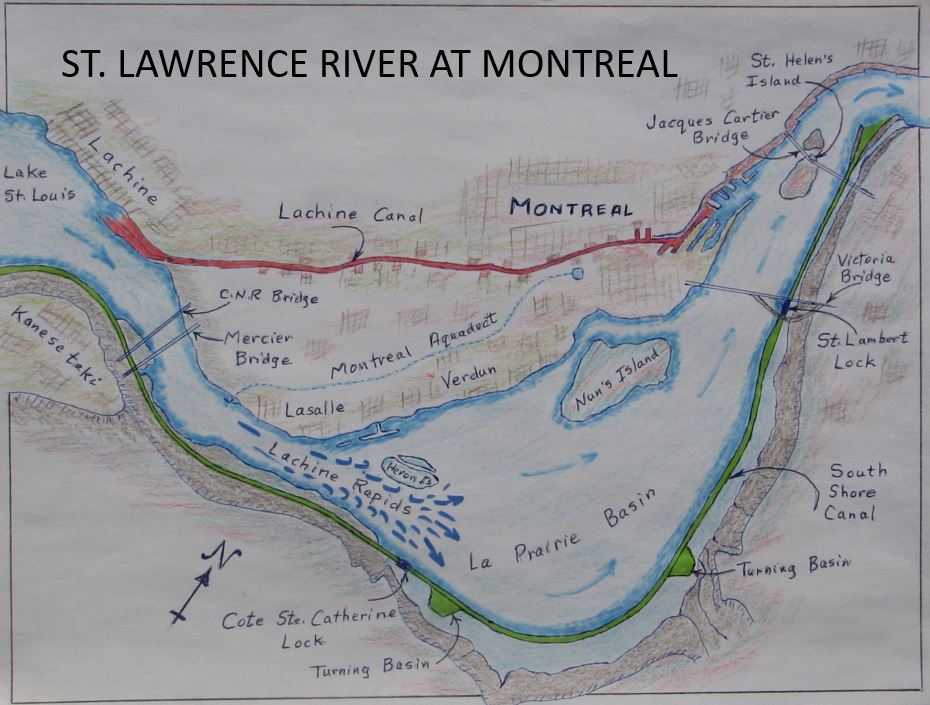
First talks between Canada and the United States were held in 1895 considering a water navigation system from Montreal to Lake Ontario. Commitment was lacking, however the discussions did lead to establishing the International Joint Commission (IJC) in 1909 to deal with questions on rivers shared by both countries. By 1949 the need for the waterway connection had become pressing, so serious negotiations were undertaken with the IJC playing an important part. Progress was hindered by vocal opposition from the railways and various other well established business and political interests, but in the end the economics of the mining, industrial and agricultural sectors out-weighed these negative arguments, so an agreement was in place, and construction of the Seaway began in 1954.
Building the two American locks and 5 Canadian locks as well as the powerhouse at Cornwall-Massena required major modifications in the river and along the shorelines. A total of 11 communities were inundated, with two being removed to locations above the final water level. Highways and railways were re-routed. The overall system was hailed as the largest navigation project ever undertaken in the world.
The Seaway was completed and operational in 1959, and in 190 days that year transited 25.1 million tonnes of cargo. Ship traffic grew steadily until 1979, when 80 million tonnes went through, but since has decreased so it now carries about 40 million tonnes per year. Lock and channel improvements have been gradually extending the navigation season, so that in 2006 ships had access for 283 days.
Annual economic benefits shared by many industries and agriculture in both countries resulting from reliable water transport to the Great Lakes provided by the Seaway have been estimated at more than $ 35 billion US.
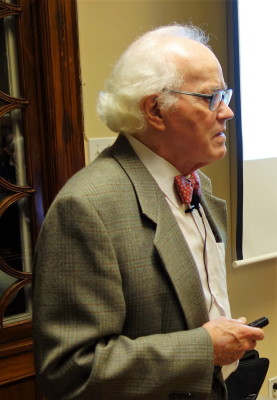
Fred Parkinson, Retired Consulting Civil/Hydraulic Engineer, spent a 45-year career working in the fields of hydro-power development and river navigation. He was associated with a number of studies to improve the Seaway lock operations during ice conditions and participated in studies on physical hydraulic models to widen and deepen the navigation channel downstream from Montreal. At the same time, he was retained to develop new operating systems for several locks on the Rideau and Trent Canals and overseas for the Panama Canal.
Working in the hydro-power field, his first project in Québec was Carillon on the Ottawa River. Hydro-Québec was embarking on a major development programme, and Fred worked on hydraulic design studies for projects on the Manicouagan and Outardes Rivers in the Lower St. Lawrence Region and on the La Grande, Eastmain and Caniapiscau Rivers in the James/Hudson Bay Regions. He also did key design and development studies on major hydro-power schemes in British Columbia and Manitoba. This experience led to short term expert consultations overseas: Iraq, Pakistan, Nepal, Madagascar, Philippines, Viet Nam, Nigeria, Sudan, Bolivia, Belize, Venezuela and Columbia. His final consulting work was as an expert witness in court concerning the flooding along the Rivière des Ha Ha in the Saguenay Region in 1996.
Following retirement, he served for eighteen months on an International Joint Commission sub-committee to study and make recommendations on modifying Seaway operations to provide water level control of Lake Ontario and the St. Lawrence River that was more acceptable to the many different stakeholders, in particular, environmental interests.
Last Minute special guest at the lecture: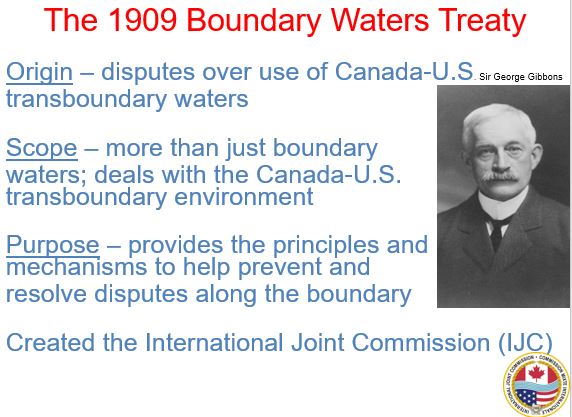
Dr. Murray Clamen, retired Secretary of the Canadian Section of the International Joint Commission, will give a short slide presentation describing the operations of the I.J.C. and describe a few typical studies involving rivers and lakes along the bo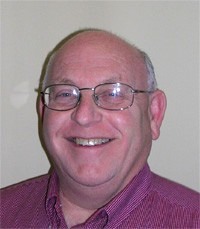 rder between Canada and the United States. Prior to becoming the Secretary, Dr. Clamen was the IJC lead technical advisor for over a decade on all issues related to trans-boundary water management in the Great Lakes – St. Lawrence River System.
================================================
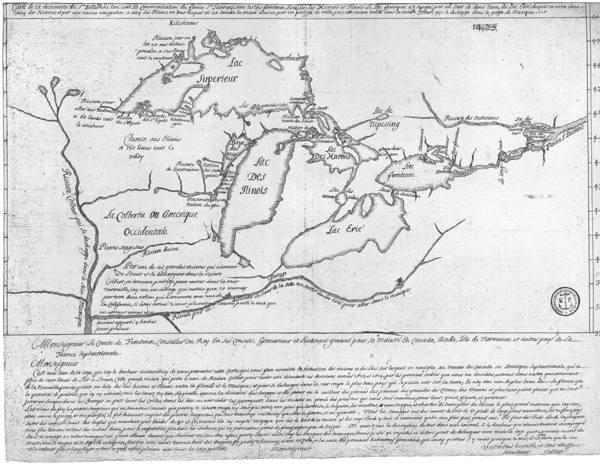
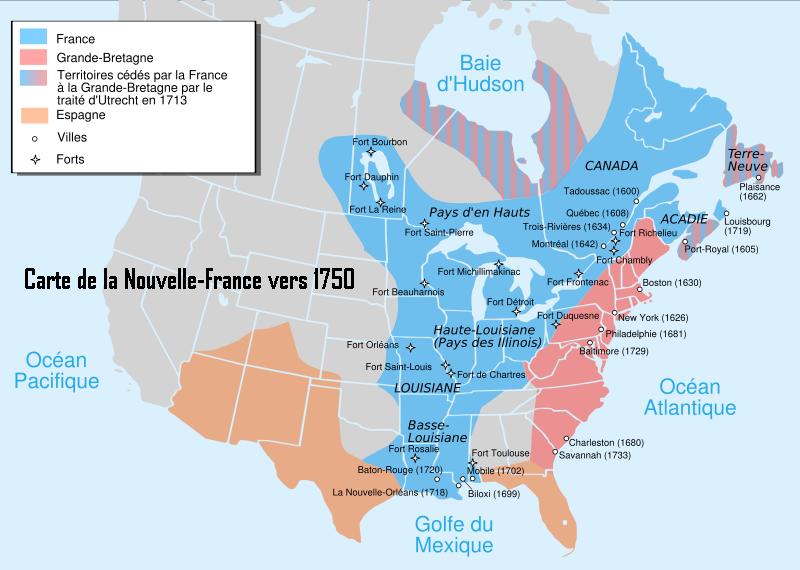
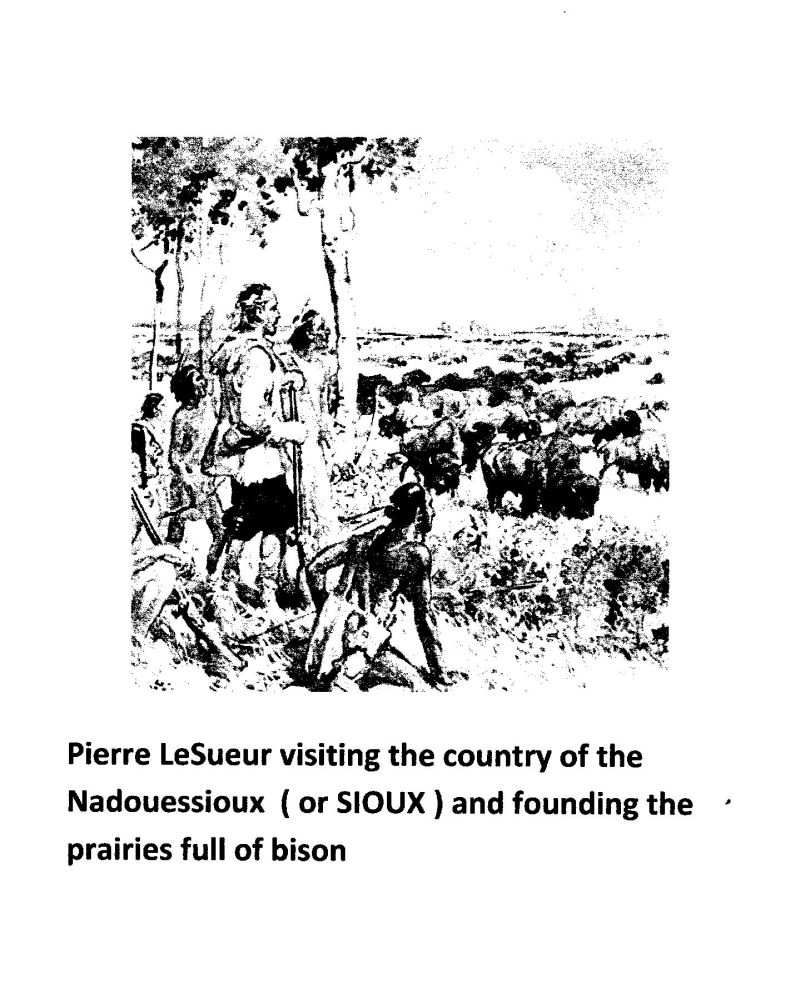 Pierre LeSueur, coureur des bois, explorer and trader, decided to migrate to Louisiana and to establish his family in the Biloxi area, a new French fort on the Golf of Mexico. He travelled by sea on a boat called the Pélican from France to the Caribbean’s. First stop in Saint-Domingue (Haiti), then in Cuba.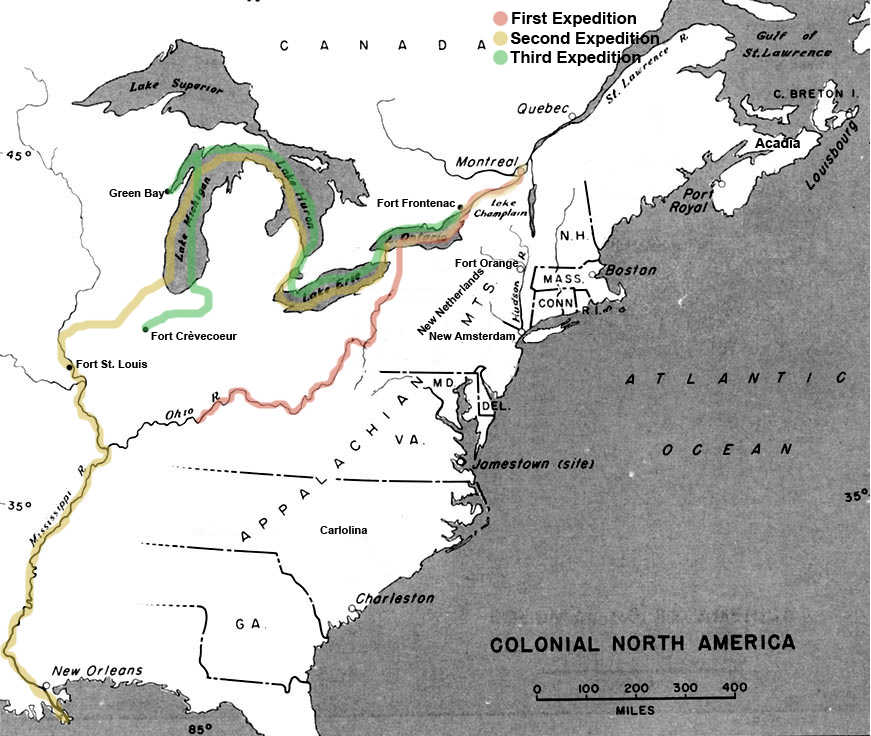
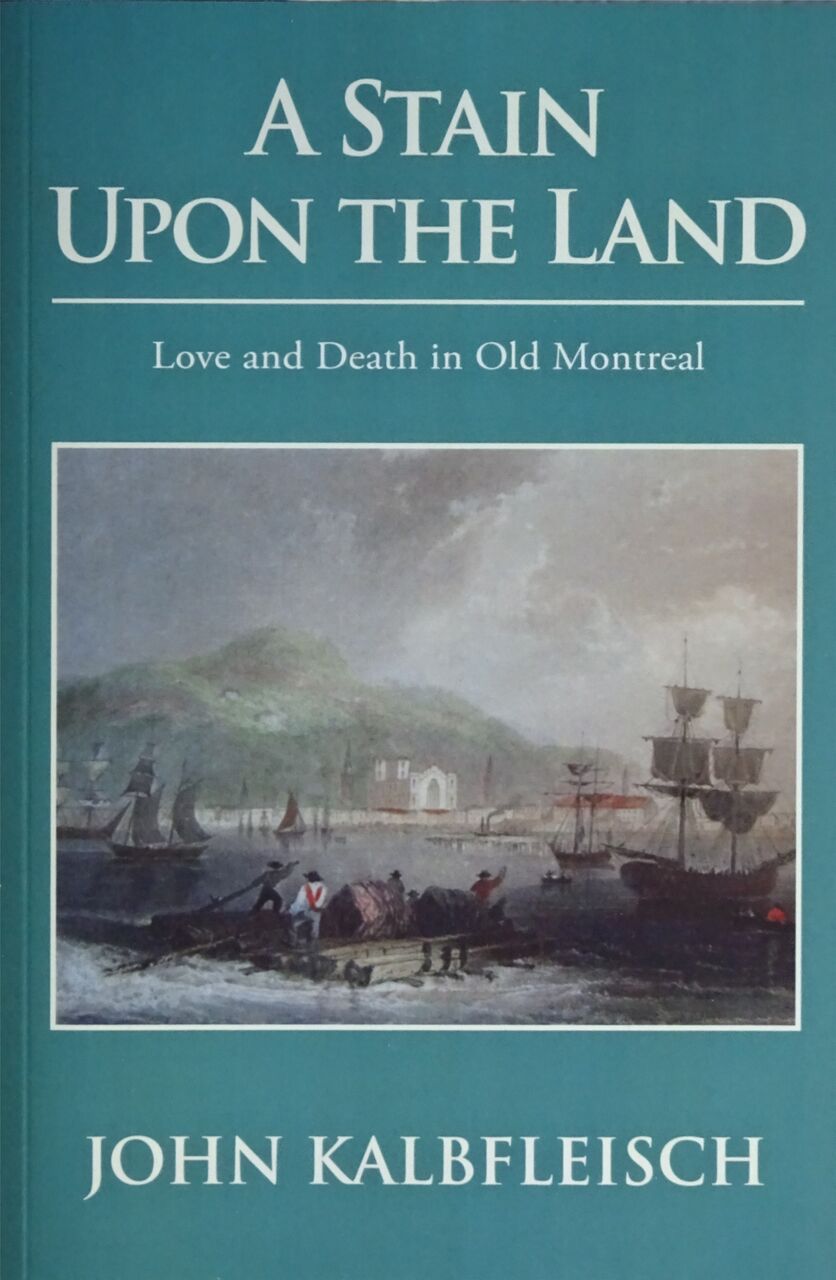
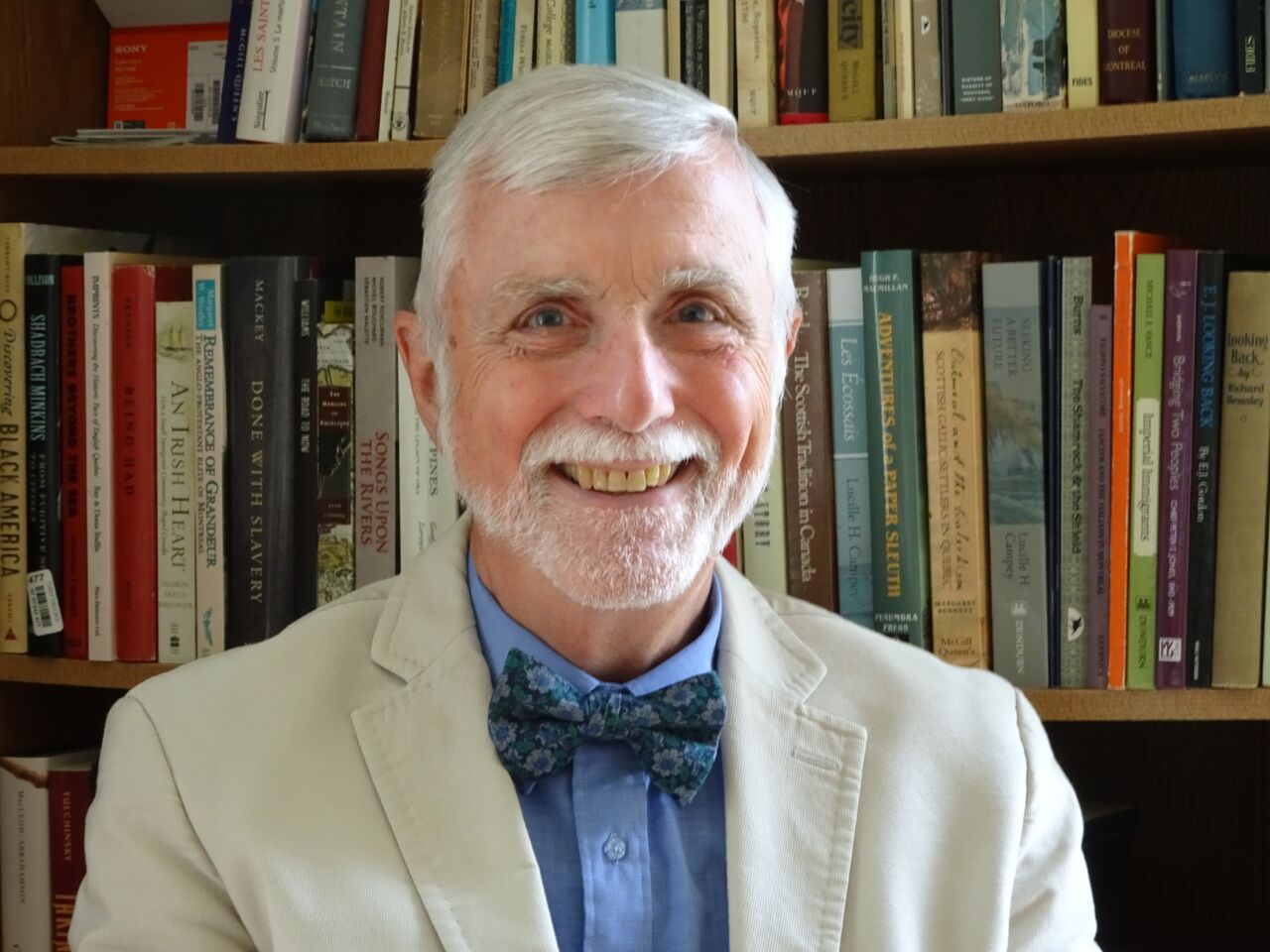 Longtime Montreal Gazette journalist John Kalbfleisch began writing a regular column on the city’s history for the newspaper in 2000. His novel A Stain Upon the Land was published in June 2017. He is also the author of Le cadeau royal: Histoire de la ville de Mont-Royal / The Royal Gift: a History of Town of Mount Royal (2013) and This Island In Time: Remarkable Tales from Montreal’s Past (Véhicule Press, 2008), and is the co-author of Montreal’s Century: a Record of the News and People Who Shaped the City in the 20th Century (Trécarré, 1999).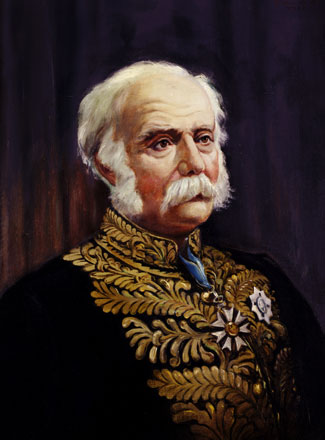
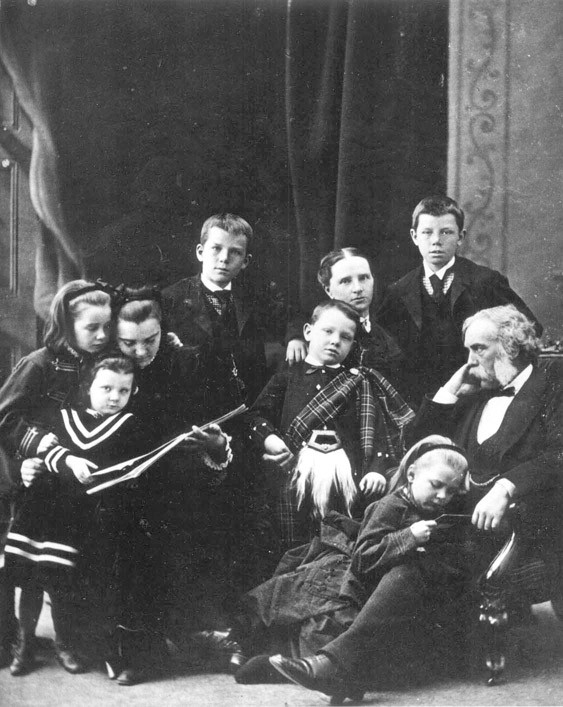 First, Jean-Pierre Raymond will talk about "Sir Henri-Gustave Joly de Lotbinière", first leader of the Quebec Liberal Party 150 years ago and first Prime Minister of the Quebec Liberal Party in 1878-79. He is a descendant of the two engineers Michel Chartier de Lotbinière and Gaspard-Joseph Chaussegros de Léry. He is the father of two engineers who will be generals in the First World War and his four daughters married engineers one of which will be general. He is also the father of sustainable development in forestry.
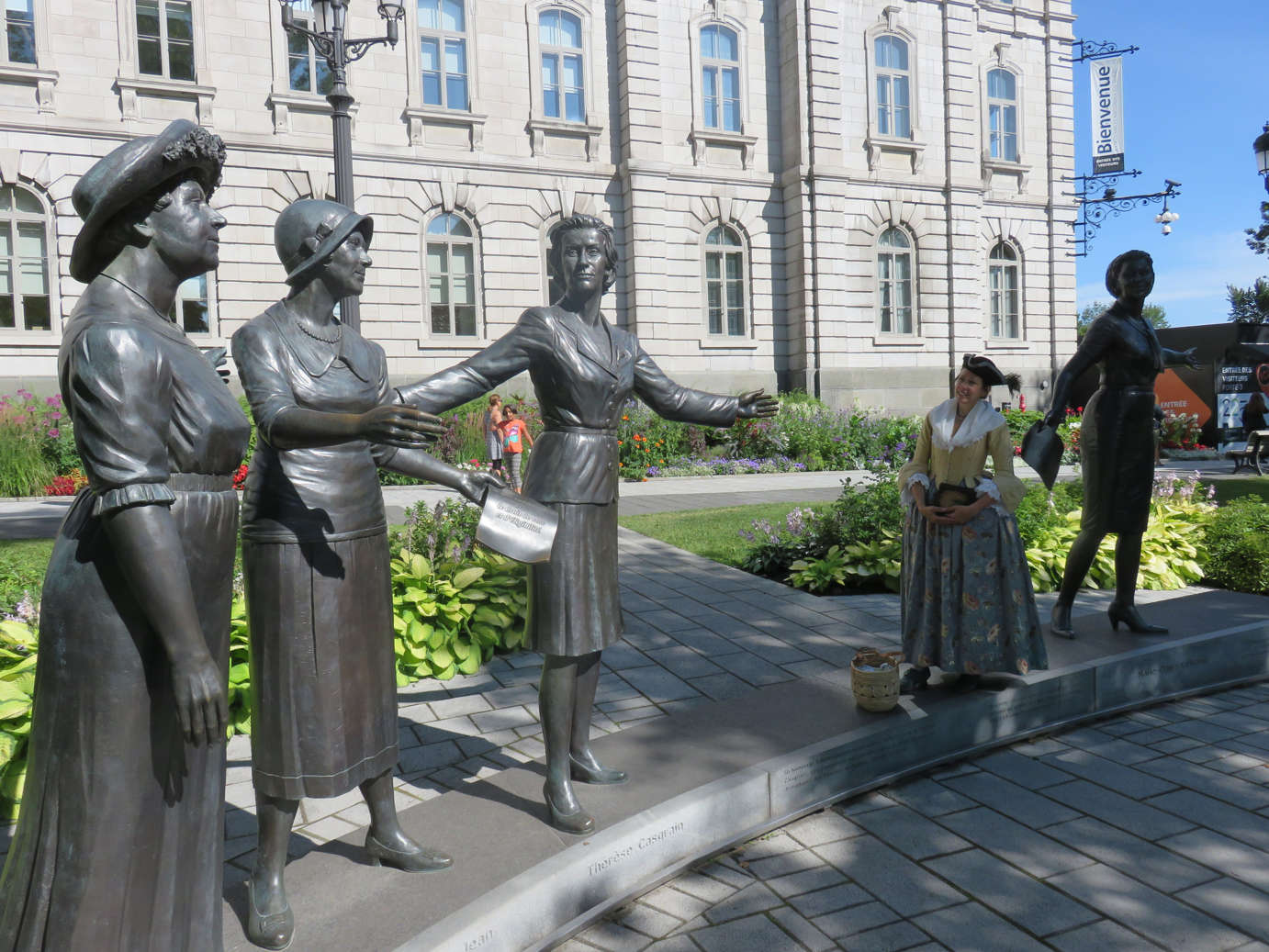 Following this, Andrée Aubut will commemorate the 100th anniversary of women's right to vote in Canada with a presentation entitled "Women's Rights in Lower Canada", recalling that women have already had the right to vote in Lower Canada between 1791 and 1849. She will explain how women like Louise-Magdeleine Chaussegros de Léry, her daughter-in-law Mary-Charlotte Munro de Fowlis and her granddaughter Julie-Christine Chartier de Lotbinière benefited from the peculiarities of the French law known as Coutume de Paris enshrined in the Act of Quebec for the second version of the province of Quebec (1774). Julie-Christine is the mother of Henri-Gustave.
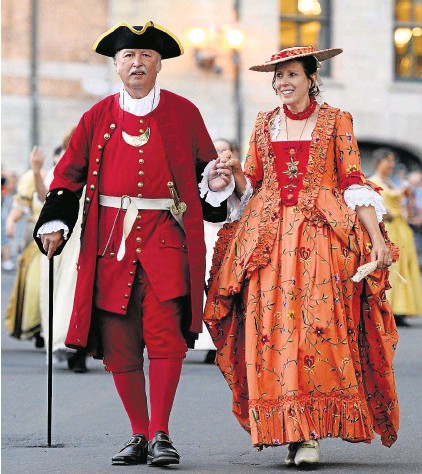 The two personifies in period costumes historical figures like the couples Gaspard-Joseph Chaussegros de Léry and Marie-Renée Legardeur de Beauvais, Michel Chartier de Lotbinière and Louise-Magdeleine Chaussegros de Léry, Ralph-Henri Bruyère and Janet Dunbar and finally Henri-Gustave Joly and Margharetta-Josepha Gowen.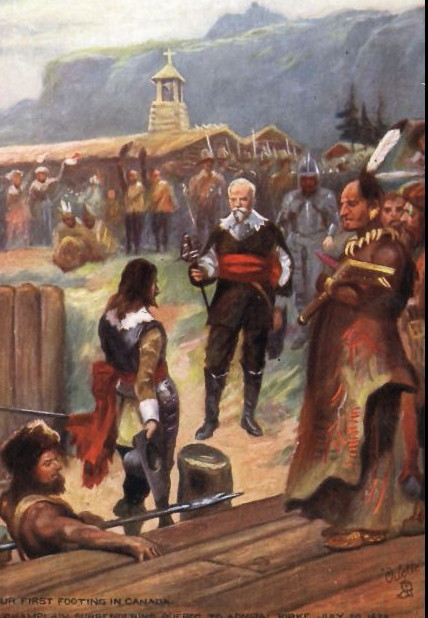
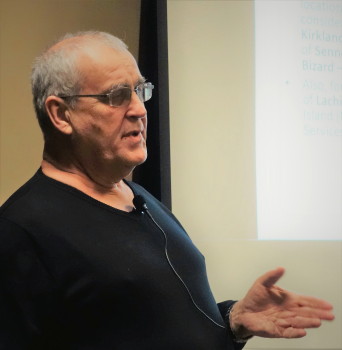
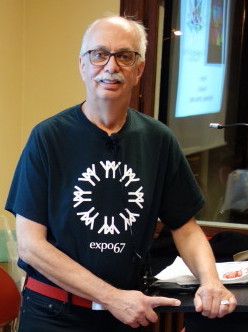 Guest Speaker: Gary W. Sims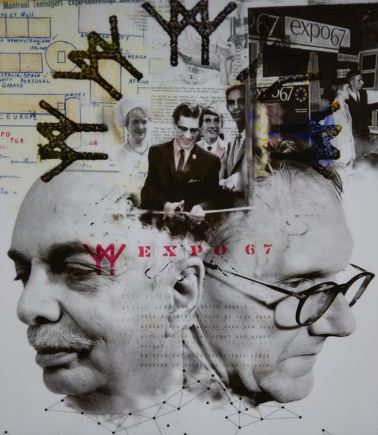
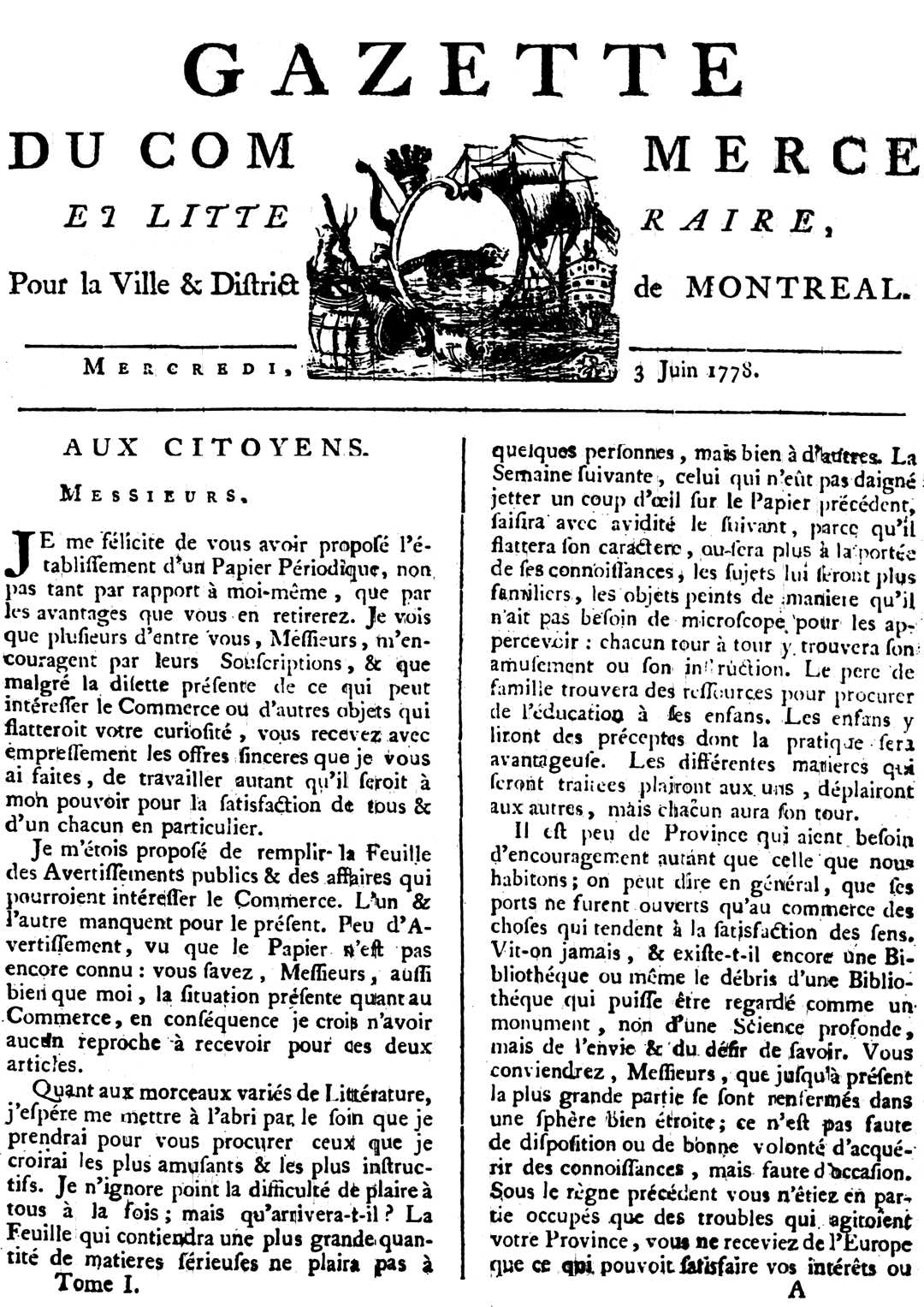 Born in Marseilles, educated in Lyon, the printer Fleury Mesplet (1734-1794) one day decides to flee the intolerance that reigns in France at that time to seek refuge in England. He meets Benjamin Franklin, who recruits him as a Francophone printer of the American Continental Congress, fighting against the English. He prints the Letters sent by the American Congressmen to the inhabitants of the Province of Quebec to incite them to join against their common enemy: the English. In order to reinforce this purpose, Franklin arrives in Montreal in 1776; Mesplet accompanies him: he shall be the instrument of the North American rebellion against the European oppressor. But the project fails; the American patriots are decimated by the English. However, Mesplet decides to remain in Montreal, despite a “preventive” imprisonment of almost a month. With the aid of a few friends as enlightened as he was by the philosophy of the Enlightenment (Valentin Jautard, Pierre du Calvet, etc.), he founds in 1778 the first journal of opinion in the country, the Gazette littéraire, and the first think tank, the Montreal Academy - which perhaps hides a French Masonic lodge. After another hard imprisonment of three years, Mesplet recovers his wife, his friends, his workshop, his values and his fights; he creates in 1785, on a new basis, a second newspaper, the Montreal Gazette, which survives him even today. Beyond the centuries, between the American War of Independence and the French Revolution, Mesplet’s story reminds us that the struggle for freedom of expression is still valid.
 Born in Spa (Belgium) in 1948, Jacques G. Ruelland immigrated to Canada in 1969, holding a printer technician diploma from Liège (Belgium). He holds presently a BA and an MA in philosophy of science, a second MA in history, a third one in museology and a Ph.D. in history of science. He taught philosophy at the Collège Édouard-Montpetit (Longueuil) for 31 years (1979-2010), and he currently teaches history as an associate professor in the History Department of the University of Montreal. He also works currently as a museologist for the Musée des Maîtres et Artisans du Québec (Saint-Laurent), and the Museums (a set of five museums) of Mont-Saint-Hilaire. He signed some fifty books published in Canada, the United States, Europe, and Asia, and translated into various languages.