THE LAKE DISTRICT, a Jewel in the British Crown
- Speaker: Hélène Jasmin
- When: Thursday, May 16, 2019, 7:30 p.m. to 9 p.m.
- Where: Centennial Hall,
- 288 boul. Beaconsfield, Beaconsfield, H9W 4A4
Lecture in English, followed by a bilingual question period
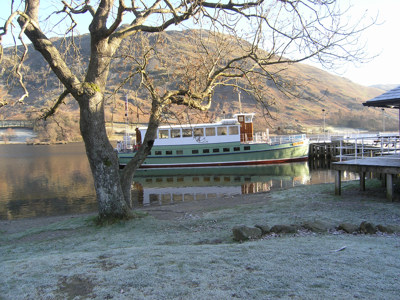 Join us on our travels through fabulous natural sites and recall tales and stories of the magnificent Lake District in North-West Britain.
This area counts 19 lakes and about 200 summits and valleys. So many things to catch our eyes in Lake District, so many pages of history: intriguing stone alignments associated with Druid gatherings, churches built in the 12th century, unique landscapes and wilderness camping, and walking routes still very popular today.
This beautiful region, which enchanted author and illustrator Beatrix Potter, poet William Wordsworth, artist and designer John Ruskin, and even Hercule Poirot, main character of Agatha Christie, traveling to Keswick to solve a case, dazzles us again and again.
Hélène Jasmin, author and speaker, was educated at UQAM in Sociology; at École de radio-télévision Pierre Dufault in Montréal; and Violin private class with Master Eugène Bastien, member of MSO.
Her professional experience includes: freelance journalist for The Canadian Composer, The Medical Journal…; freelance radio program host, Radio-Canada FM, Montréal; assistant curator for the exhibits:
Ima ges d’hier -- Saint-Laurent a 100 ans;
Génie en vol -- les 50 ans de Canadair-Bombardier (1994);
L’instinct du théâtre (60th anniversary of Les Compagnons), with Lorraine Pintal, director of TNM (1997).
She published:
Topics: THEATER
Les Compagnons de saint Laurent – une petite histoire (éditions Leméac, 1986)
Père Émile Legault, homme de foi et de parole (Lidec éditeur, 2000)
Topics: ART & ENVIRONMENT
Frédéric Back – La capacité d’enchanter (Lidec éditeur, 2015)
Elsie Reford, la grande dame des jardins de Métis (Lidec, 2015)
Topics: ART, GARDENING & HISTORY
A Journey with Elsie – Book of Days (La Belle Amérique publisher, 2018)
================================================
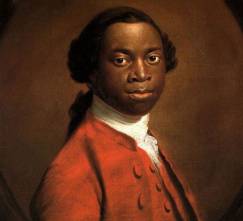 February is Black History Month. Abraham Hanibal (Ganibal in Russian), born on the shore of Lake Chad in what is today Cameroon, was among the unlucky black to be made slave. But he got the unbelievable good fortune to become the adoptive son of the Tsar of Russia, Peter the Great, and will receive an engineer training in France.
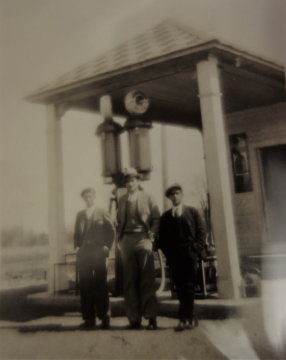
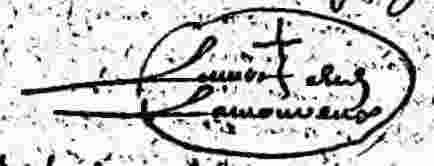
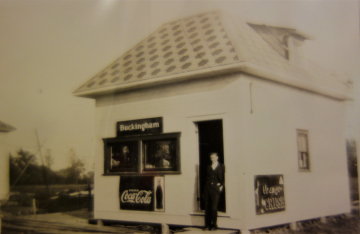
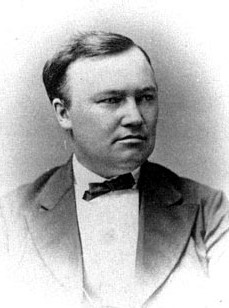
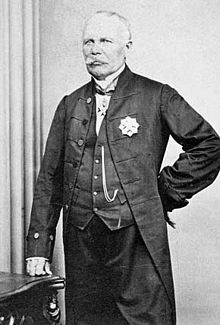 The lecture will present some members of the Taché family over several generations. In the transition when Canada passed from the French to the English regime, Jean-Pascal Taché was involved. His grandson was Prime Minister and Father of Confederation Sir Étienne Paschal Taché. The son of the latter, Eugène-Étienne Taché designed the Québec City heritage icons and gifted us with the Québec motto "Je me souviens". This is the history of a principle driven family that designed, through their descendants, a part of Canada's history.
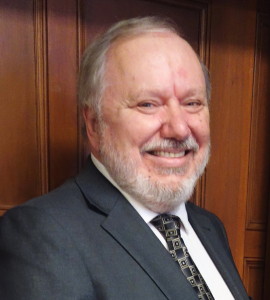 Michel Fragasso is history buff, genealogist and speaker on different subjects related to history and genealogy. Michel Fragasso is himself a descendant of the Taché family. His experience as a lecturer at Université Laval and various CEGEPs has enabled him to give lectures on heritage subjects and various other topics in Quebec and abroad.

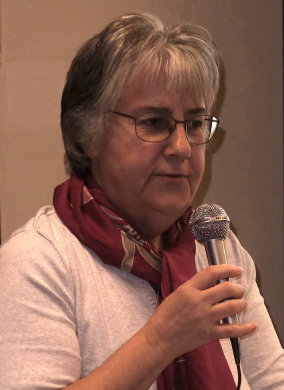
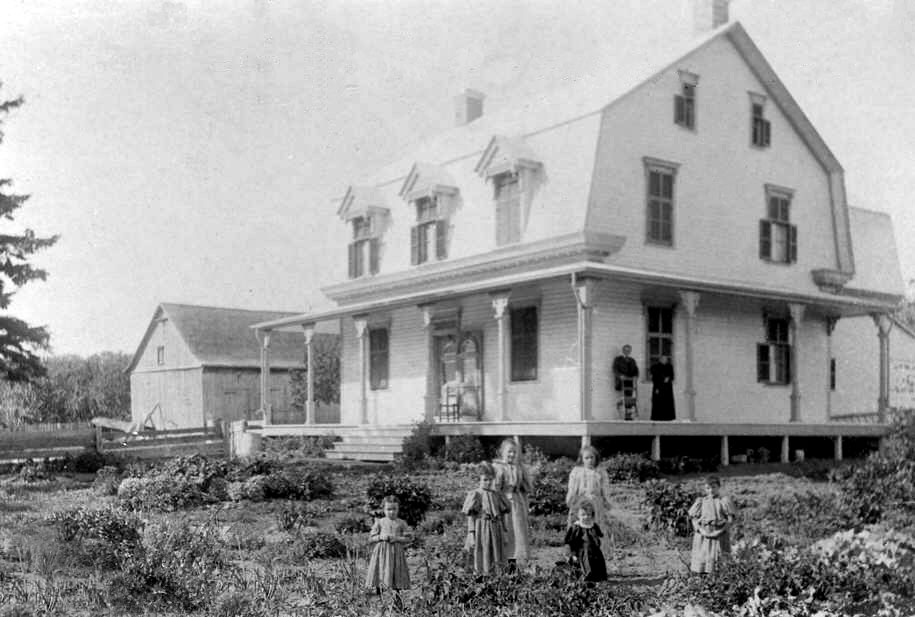 Pauline Faguy-Girard introduces us to some of the old farm houses of Beaconsfield which are still standing. Some are almost identical to their original construction; others have been modified through time to suit the needs of the different owners. We will discover the buildings and some of the people who lived in these houses.
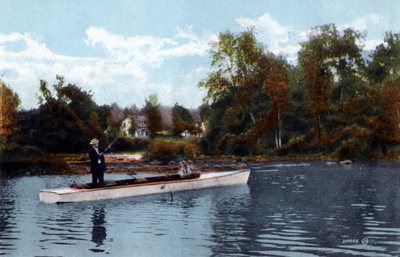 The great resorts locations of the province of Quebec became very popular in the mid 19th century with the development of railways. Wealthy businessmen and industrialists who were living in the Montreal Golden Square Mile began to stay in the country during summertime. This brought a social change for a new way of life.
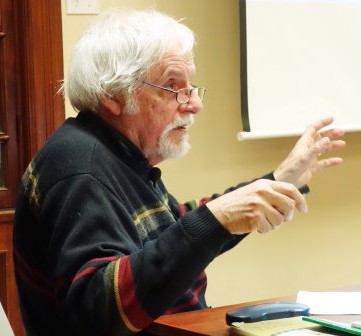 Michel Bélisle, author and lecturer, was born in Montréal. He studied Anthropology - Ethnology at Université de Montréal, and Design & Environment at UQAM. He worked as assistant-curator at McCord Museum, curator at Musée régional de Vaudreuil-Soulanges, curator at Trestler House in Vaudreuil-Dorion. He was curator for Special Exhibitions:
 Speaker: Denis Gravel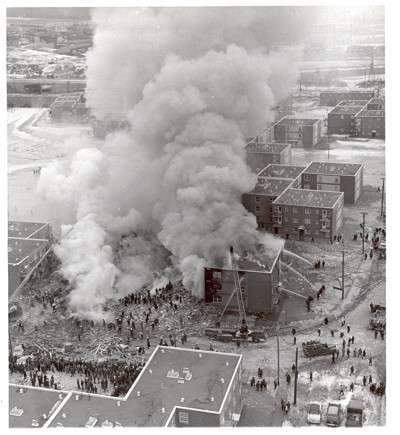
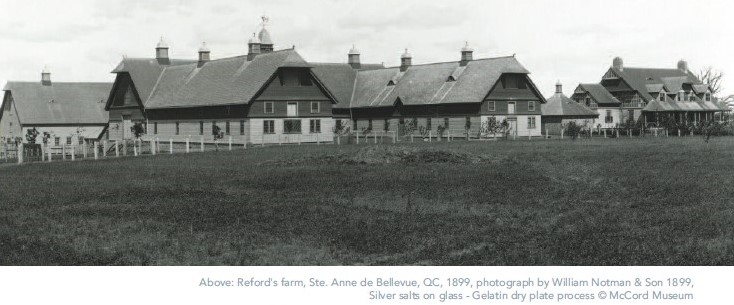
 Alexander Reford is the director of Les Jardins de Métis /